Gold has always held a special place in India—not just as a precious metal, but as a symbol of wealth, tradition, and financial security. From weddings to investments, gold plays a central role in both emotional and economic decisions. Among various purity levels available, 22 karat gold is the most widely used form for jewellery in India.
Understanding what is 22 karat gold, how its purity is verified through hallmarking, and how its resale value is calculated is essential for anyone planning to buy, sell, or invest in gold. Many buyers focus only on price, but factors like purity certification, alloy composition, and resale calculation significantly influence long-term value.
This detailed guide explains everything you need to know about 22K gold—from composition and hallmark numbers to resale value, pricing factors, and buying considerations—helping you make informed and confident decisions.
What is 22 Karat Gold?
22 karat gold refers to gold that contains 91.6% pure gold, while the remaining 8.4% consists of alloy metals such as copper, silver, or zinc. These additional metals are mixed with pure gold to improve strength and durability.
Pure gold (24 karat) is extremely soft and cannot withstand daily wear. Therefore, jewellers create 22K gold by adding alloy metals, making it strong enough for crafting jewellery while still retaining high gold content.
Why 22 Karat Gold is Popular in India
- Cultural Preference and Traditional Value: 22 karat gold is deeply rooted in Indian culture, widely used in weddings, festivals, and religious occasions, symbolising prosperity, wealth, and long-term family heritage significance.
- High Purity with Practical Strength: It offers an ideal balance between purity and durability, allowing jewellery to retain intrinsic gold value while being strong enough for daily wear usage.
- Strong Resale Demand Across Markets: 22K gold is universally accepted by jewellers and gold buyers across India, ensuring easy resale and liquidity without complications during financial needs.
- Emotional and Investment Value Combined: Jewellery made from 22K gold carries both sentimental and financial importance, making it suitable for long-term family assets and wealth preservation.
- Consistent Market Demand Stability: Due to constant cultural demand, 22 karat gold maintains stable market demand, reducing risks associated with liquidity or resale challenges over time.
Composition of 22 Karat Gold
- Pure Gold as Primary Component: Comprising 91.6% of total weight, pure gold ensures high intrinsic value, making 22 karat gold suitable for both jewellery usage and long-term financial investment purposes.
- Copper for Strength and Durability: Copper is added to increase hardness and durability, enabling jewellery to withstand regular usage without bending, breaking, or losing structural integrity over extended periods.
- Silver for Colour Balance and Workability: Silver helps maintain the natural golden colour while improving flexibility, allowing jewellers to create detailed and intricate jewellery designs with better finishing quality.
- Other Alloy Metals for Structural Enhancement: Small quantities of metals like zinc are added to fine-tune hardness, improve polish quality, and enhance the overall durability of jewellery pieces.
Key Characteristics of 22 Karat Gold
- High Purity Level Retention: With 91.6% gold content, 22K gold maintains strong intrinsic value, making it suitable for both jewellery purchases and long-term investment strategies in gold.
- Rich and Traditional Yellow Appearance: Its natural golden tone reflects classic elegance and cultural richness, making it highly desirable for traditional and ceremonial jewellery designs across India.
- Moderate Durability for Daily Wear: Stronger than 24K gold, it can be worn regularly, though it remains softer than lower karat gold and may develop minor scratches over time.
- Excellent Malleability for Design Creation: Its flexibility allows jewellers to craft intricate and detailed jewellery patterns, making it ideal for traditional ornaments and artistic designs.
- Widely Accepted Cultural Significance: It holds deep emotional and cultural importance, especially in weddings and religious ceremonies, making it more than just a financial asset.
What is Hallmark in 22 Karat Gold?
Hallmarking is a certification process that verifies the purity of gold jewellery. In India, it is regulated by the Bureau of Indian Standards (BIS), ensuring that gold meets defined quality standards.
Hallmark Number in 22 Karat Gold
- 916 Purity Mark Identification: The 916 mark indicates that the jewellery contains 91.6% pure gold, confirming that it meets the standard purity requirement of 22 karat gold.
- BIS Certification Logo Verification: The BIS logo ensures that the gold jewellery has been tested and certified by authorised hallmarking centres under government-approved quality standards.
- HUID Unique Identification Number: Each jewellery piece carries a unique alphanumeric HUID code, ensuring traceability, authenticity, and protection against fraudulent or duplicate hallmarking practices.
- Jeweller Identification Mark Presence: This mark identifies the manufacturer or seller, ensuring accountability and helping buyers verify the authenticity and origin of the gold jewellery.
Advantages of Buying 22 Karat Gold
Buying 22 karat gold remains a preferred choice in India due to its high purity, cultural relevance, and dependable financial value. It serves both ornamental and investment purposes, offering stability during uncertain times. Its widespread acceptance, strong resale potential, and emotional significance make it a practical and meaningful asset for families across generations.
Here are the key advantages to understand:
- High Gold Purity Value Retention: With 91.6% gold content, 22 karat gold holds strong intrinsic worth, ensuring that buyers retain real value over time. This high purity makes it suitable for both jewellery use and long-term financial security planning purposes.
- Strong Resale Value in Market: Because of its high purity level, 22K gold attracts better resale rates in the market. Buyers and jewellers offer competitive prices with minimal deductions, making it a reliable option when selling or exchanging gold assets later.
- Widely Accepted Across India: 22 karat gold is universally recognised in Indian markets, allowing seamless resale, exchange, and valuation anywhere in the country. This consistency removes uncertainty and ensures convenience for owners regardless of location or region.
- Ideal for Traditional Jewellery Use: It is the most preferred gold type for weddings and cultural jewellery, reflecting traditional values. Its rich appearance and purity align perfectly with Indian customs, making it highly desirable for special occasions and family celebrations.
- Easy Liquidity During Financial Needs: 22K gold can be quickly converted into cash through jewellers or financial institutions. This makes it a dependable financial backup, helping individuals manage emergencies or urgent expenses without complicated procedures or delays.
- Long-Term Wealth Preservation Asset: Gold has historically maintained its value over time, protecting against inflation and currency fluctuations. Investing in 22 karat gold helps preserve wealth, ensuring that purchasing power remains stable across changing economic conditions and market uncertainties.
- Emotional and Heirloom Value Creation: Jewellery made from 22K gold often carries emotional significance and is passed down through generations. It combines sentimental attachment with financial value, making it a meaningful asset that strengthens family bonds over time.
- Stable Demand and Market Trust: Continuous demand for 22 karat gold ensures market stability and trust among buyers and sellers. This steady demand reduces risk, making it a safer investment option compared to other volatile financial instruments or assets.
Limitations of 22 Karat Gold
While 22 karat gold is valued for its purity and traditional appeal, it also comes with certain practical drawbacks. Its softness, higher cost, and maintenance needs can affect everyday usability. Understanding these limitations helps buyers make informed decisions based on durability, budget, and specific jewellery requirements or long-term usage expectations.
Here are the key limitations to consider:
- Softer Than Lower Karat Gold Types: Due to higher gold content, 22K gold is softer and more prone to scratches compared to 18K or 14K gold jewellery options.
- Not Ideal for Diamond Jewellery Settings: Its softness makes it less suitable for securely holding diamonds or precious stones, where stronger metals are preferred.
- Higher Cost Due to Gold Content: Since it contains more pure gold, 22K jewellery is more expensive than lower karat options, increasing initial purchase cost.
- Requires Careful Handling and Maintenance: Regular usage may lead to wear and tear, requiring periodic polishing and careful storage to maintain appearance and durability.
Resale Value of 22 Karat Gold (Detailed Explanation)
Understanding the resale value of 22 karat gold is essential for anyone planning to sell jewellery or use gold as a financial asset. Unlike other investments, gold resale depends on purity, weight, and live market rates, making it crucial to understand how value is calculated and what factors influence final pricing.
How the Resale Value of 22 Karat Gold is Calculated
Resale value of 22K gold is not based on purchase price but on current gold rate, purity percentage, and net gold weight. Jewellers or gold buyers evaluate the gold by removing impurities and calculating actual gold content before offering a price.
- Current Market Gold Rate Application: The latest gold rate per gram is the primary factor used in resale calculation, as gold prices fluctuate daily based on global market conditions and currency movements.
- Purity Conversion to 91.6% Value: Since 22K gold contains 91.6% pure gold, buyers multiply the total weight by 91.6% to determine the actual gold value during resale.
- Net Weight After Stone Removal: Any stones, beads, or non-gold materials in jewellery are removed or excluded, ensuring that only the actual gold weight is considered for valuation.
- Final Price Calculation Formula: The standard formula used is weight × gold rate × purity percentage, which gives the approximate resale value before deductions or charges applied.
Example of 22 Karat Gold Resale Calculation
Understanding resale becomes easier with a practical example. This helps buyers clearly visualise how gold buyers arrive at final payout values and what deductions may occur during the selling process.
- Basic Example Calculation Breakdown: If gold rate is ₹6000 per gram and you sell 10 grams of 22K gold, calculation becomes ₹6000 × 10 × 91.6%, resulting in approximately ₹54,960 value.
- Impact of Gold Rate Fluctuation: If the gold rate increases, resale value rises proportionally, while lower rates reduce final payout, making timing an important factor during gold selling decisions.
- Effect of Purity Accuracy on Value: If gold purity is slightly lower than 22K, the buyer adjusts the calculation accordingly, reducing the final amount received by the seller.
- Deductions Applied by Buyers: Some buyers may deduct minimal processing or melting charges, though professional gold buyers often provide transparent pricing without hidden deductions.
Factors Affecting the Resale Value of 22 Karat Gold
The resale value of 22 karat gold depends on multiple practical and market-driven factors that influence how much buyers are willing to pay. Understanding these elements helps sellers maximise returns and avoid unnecessary deductions. Key aspects include purity verification, market rates, jewellery condition, and associated charges at the time of resale.
Here are the key factors to consider:
- Current Gold Market Price: The prevailing gold rate at the time of selling plays the biggest role in determining resale value. Prices fluctuate daily based on global demand, currency movements, and economic conditions, directly impacting how much value you receive.
- Purity Verification and Hallmarking: Hallmarked 22K gold fetches better resale value as it assures buyers of authenticity and purity. Non-hallmarked jewellery may undergo testing, leading to possible deductions or lower pricing due to uncertainty in gold content.
- Weight and Net Gold Content: The resale value is calculated based on the actual gold weight, excluding stones, beads, or other materials. Any non-gold components are deducted, which can significantly reduce the final amount received during resale transactions.
- Making Charges Deduction: Making charges paid during purchase are not recovered during resale. Buyers only pay for the gold value, meaning intricate or designer jewellery may result in higher losses compared to simple gold items.
- Condition and Wear of Jewellery: Damaged, worn-out, or heavily scratched jewellery may undergo melting or refinement. While gold value remains, poor condition can sometimes influence buyer perception and processing charges, slightly affecting overall resale returns.
- Buyer Type and Selling Platform: Resale value varies depending on whether you sell to local jewellers, gold buyers, or financial institutions. Different buyers offer different rates, margins, and deductions, making it important to compare options before finalising a sale.
How Gold Buyers Evaluate 22 Karat Gold
Gold buyers follow a structured and transparent process to evaluate jewellery. Understanding this process helps sellers feel confident and ensures fair pricing during transactions.
- Purity Testing Using Advanced Machines: Buyers use XRF machines or other testing methods to check gold purity accurately without damaging the jewellery, ensuring precise valuation.
- Weight Measurement with Digital Scales: Jewellery is weighed using high-precision scales after removing stones, ensuring accurate net gold weight for calculation.
- Real-Time Gold Rate Application: The current market gold rate is applied instantly during evaluation, ensuring sellers receive value based on live pricing conditions.
- Transparent Calculation Process: Professional buyers calculate value openly in front of customers, building trust and ensuring complete transparency in gold selling transactions.
💰 Get the Best Price for Your Gold Today
Instant valuation • Transparent pricing • 100% secure & trusted
Difference Between Jewellery Price and Resale Value
Many buyers assume that resale value equals purchase price, but this is not accurate. Understanding the difference helps set realistic expectations when selling gold jewellery.
- Making Charges Are Not Recoverable: When purchasing jewellery, making charges are included, but these are not considered during resale, reducing the final amount received.
- GST Paid During Purchase Not Included: GST paid at the time of buying gold is not recovered during resale, as resale value depends only on gold content.
- Design and Craftsmanship Value Excluded: Artistic design and craftsmanship costs are not included in resale, as gold buyers focus only on metal value.
- Market Rate Determines Final Value: The resale price depends entirely on the current gold rate rather than the original purchase cost of jewellery.
Tips to Get Maximum Resale Value for 22 Karat Gold
Getting the best resale value for 22 karat gold requires careful planning, awareness of market trends, and smart selling decisions. By focusing on purity, timing, and the right buyer, sellers can minimise deductions and maximise returns. Simple steps like maintaining documentation and comparing offers can significantly improve final resale outcomes.
Here are the most effective tips to follow:
- Consider Gold Loan as an Alternative: If you need temporary funds, taking a gold loan instead of selling can help you retain ownership while accessing cash, allowing you to benefit from future price increases.
- Sell When Gold Prices Are High: Monitor daily gold rates and choose to sell when prices peak. Timing your sale during favourable market conditions can significantly increase the amount you receive compared to selling during price dips.
- Always Prefer Hallmarked Gold: Hallmarked jewellery assures purity and builds buyer confidence. It helps you get better resale rates without unnecessary testing or deductions, making the entire selling process smoother and more transparent.
- Keep Original Bills and Documents: Providing purchase invoices and certificates strengthens authenticity and trust. Buyers are more likely to offer competitive prices when proper documentation is available, reducing chances of undervaluation or disputes.
- Remove Stones Before Selling: Precious or artificial stones are usually not valued during resale and are deducted from total weight. Removing them beforehand ensures you receive full value for the actual gold weight.
- Compare Multiple Buyers: Do not sell to the first buyer you approach. Check offers from different jewellers, gold buyers, and financial institutions to find the best rate and lowest deduction before making a decision.
- Avoid Selling Designer Jewellery as Jewellery: Intricate designs include high making charges that are not recovered. Selling such items as raw gold value helps set realistic expectations and avoids disappointment in final pricing.
- Maintain Jewellery in Good Condition: Clean and well-maintained gold may create a better impression during evaluation. While gold value remains the same, good condition can help ensure smoother transactions and fewer unnecessary deductions.
- Understand Deduction Policies Clearly: Ask buyers about melting charges, wastage, or commission fees beforehand. Being aware of all deductions helps you calculate actual returns and avoid unexpected reductions in resale value.
- Choose Trusted and Reputed Buyers: Selling to reliable jewellers or certified gold buyers ensures fair weighing, transparent pricing, and secure transactions, reducing the risk of fraud or unfair valuation practices.
Investment Perspective of 22 Karat Gold
Gold has always been considered a reliable investment in India, offering stability during economic uncertainty. 22 karat gold stands out because it combines usability as jewellery with strong intrinsic value. Understanding its investment potential helps buyers align gold purchases with long-term financial planning and wealth preservation strategies effectively.
- Dual Benefit of Usage and Investment: 22 karat gold serves both as wearable jewellery and a financial asset, allowing investors to enjoy utility while maintaining long-term value through gold price appreciation.
- Hedge Against Inflation and Currency Risk: Gold historically protects purchasing power during inflation and currency depreciation, making 22K gold a reliable safeguard against economic instability and rising living costs.
- High Liquidity in Indian Markets: 22K gold can be easily sold across India through jewellers or gold buyers, ensuring quick access to cash without complex procedures or delays.
- Consistent Long-Term Price Growth Trend: Over decades, gold prices have shown steady appreciation, making 22 karat gold a dependable long-term investment option for wealth preservation.
- Cultural Demand Supporting Value Stability: Continuous demand from weddings and festivals ensures strong market support, reducing the risk of price collapse compared to other investment assets.
22K vs 24K vs 18K Gold for Investment and Resale
Choosing the right gold purity depends on investment goals, usage requirements, and resale expectations. Each type offers different advantages, and understanding their differences helps buyers make smarter financial decisions aligned with long-term objectives.
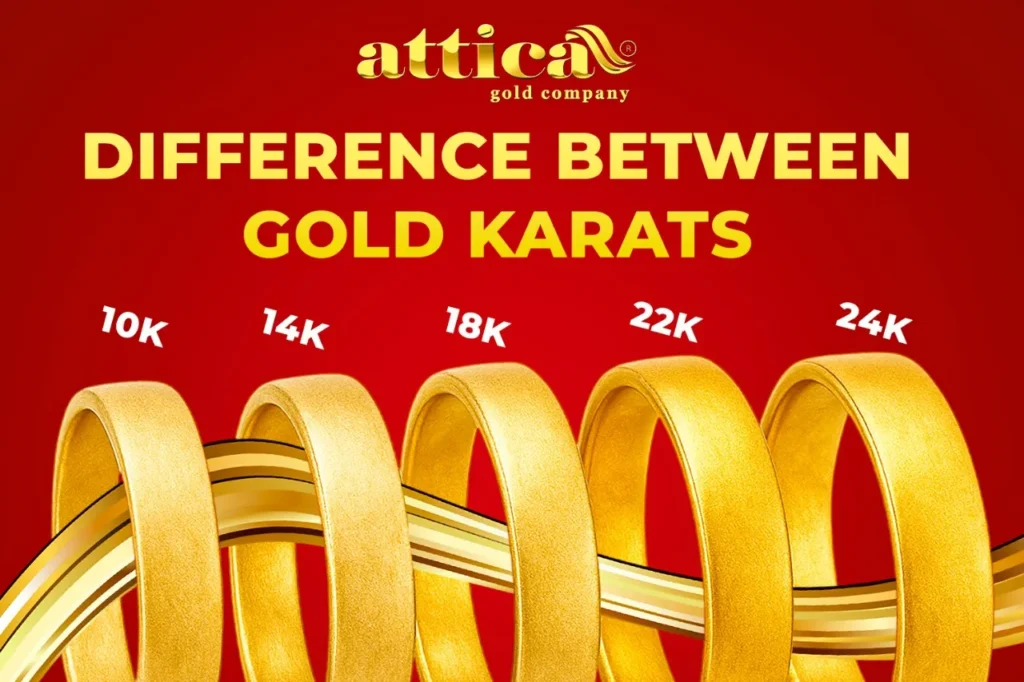
- 24 Karat Gold for Pure Investment: Contains 99.9% pure gold, offering maximum intrinsic value, making it ideal for investment in coins or bars but unsuitable for jewellery due to softness.
- 22 Karat Gold for Balanced Value: Offers 91.6% purity with durability, making it suitable for jewellery while still maintaining strong resale value and investment reliability.
- 18 Karat Gold for Design Durability: Contains 75% gold and higher alloy content, making it stronger for modern jewellery designs but less valuable in terms of gold content during resale.
- Resale Value Comparison Across Purities: 24K fetches highest value per gram, 22K offers strong resale with usability, while 18K gives lower returns due to reduced gold content.
- Best Choice Based on Purpose: Investors seeking pure value prefer 24K, jewellery buyers prefer 22K, and fashion-focused buyers choose 18K for durability and design flexibility.
When to Buy and Sell 22 Karat Gold
Timing plays a crucial role in maximising returns from gold investments. Understanding market trends, seasonal demand, and economic conditions helps buyers decide when to purchase or sell gold for optimal financial outcomes.
- Buy During Market Corrections or Price Dips: Purchasing gold when prices temporarily decline allows investors to acquire gold at lower rates, improving long-term returns as prices recover.
- Sell During Peak Price Periods: Selling gold when market prices reach highs ensures maximum returns, especially during periods of inflation or global economic uncertainty.
- Avoid Buying During Festive Price Surges: Gold demand increases during festivals and weddings, often pushing prices higher, making it less favourable for cost-effective buying.
- Monitor Global Economic Indicators: Factors like inflation, interest rates, and geopolitical tensions influence gold prices, helping investors decide the right time to buy or sell.
- Adopt Long-Term Investment Approach: Gold performs best over long periods, so holding 22K gold for extended durations often yields better returns than short-term trading.
Final Thoughts
22 karat gold remains one of the most practical and valuable forms of gold in India, offering a perfect balance between purity, usability, and financial security. It serves not only as jewellery but also as a long-term investment that retains value across generations.
Understanding hallmark numbers, purity standards, and resale calculation methods empowers buyers and sellers to make confident decisions. Whether you are buying gold for personal use or planning to sell it in the future, 22K gold continues to be a trusted and reliable asset.
Sell Your Gold at the Best Price with Attica Gold Company
If you are planning to sell your 22 karat gold and want maximum value based on live market rates, Attica Gold Company, the trusted gold buyer in India, offers a transparent and customer-first gold selling experience across India.
- Accurate Gold Evaluation: Advanced German technology ensures precise purity testing, helping customers receive fair and accurate valuation for their gold jewellery.
- Live Market Price Advantage: Gold is valued based on real-time gold rates, ensuring customers get the highest possible price without outdated pricing methods.
- Instant Payment Facility: Once evaluation is completed, payment is transferred immediately to your bank account, ensuring a quick and hassle-free selling experience.
- No Hidden Charges Transparency: The entire process is transparent, with no hidden deductions or unexpected fees, giving customers complete confidence during transactions.
- Trusted Brand Across India: Attica Gold Company is recognised as one of India’s leading gold buyers, trusted by thousands of customers for safe and reliable gold selling.
Contact us and convert your unused gold into instant cash with maximum value today.
FAQs
What is 22 karat gold purity?
22 karat gold contains 91.6% pure gold and 8.4% alloy metals such as copper and silver. This composition makes it durable enough for jewellery while maintaining high intrinsic value. It is widely used in India for ornaments due to its balance of purity, strength, and resale value.
What does 916 mean in gold?
The number 916 indicates that the gold contains 91.6% pure gold, which corresponds to 22 karat gold purity. It is a hallmark certification used in India to confirm gold quality and authenticity. Buyers should always check for the 916 mark before purchasing gold jewellery.
Is 22 karat gold good for investment?
Yes, 22 karat gold is a good investment because it offers high purity along with usability as jewellery. It provides strong resale value and acts as a hedge against inflation. While 24K gold is purer, 22K gold combines practicality and investment benefits effectively.
How is resale value of 22K gold calculated?
Resale value is calculated using the formula: weight × current gold rate × 91.6%. Buyers consider only the gold content, excluding stones and making charges. The final value depends on purity verification and market gold rates at the time of selling.
Does Hallmark increase resale value?
Yes, hallmarked gold usually receives better resale value because it guarantees purity and builds trust with buyers. Certified gold reduces the need for extensive testing and ensures transparent transactions, helping sellers receive fair pricing without major deductions.
Which is better, 22K or 24K gold?
24K gold is purer and better for investment in coins and bars, while 22K gold is more suitable for jewellery due to added durability. The choice depends on purpose—investment or usage—though both hold strong value based on gold content.
Can I sell 22 karat gold easily?
Yes, 22 karat gold is highly liquid and can be easily sold across India. Most jewellers and gold buyers accept it due to its high purity and demand. The resale process is simple, especially when the jewellery is hallmarked and properly verified.