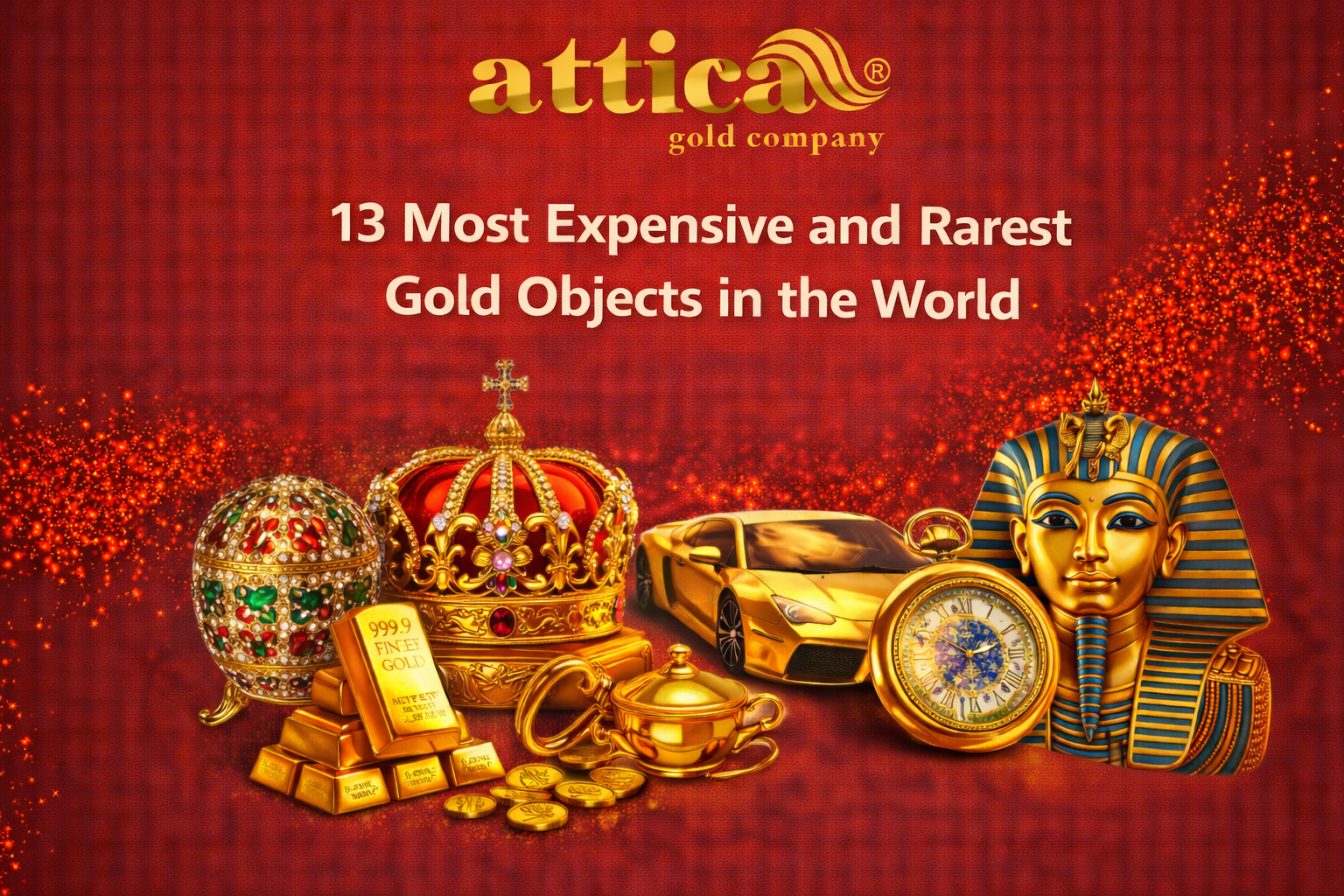
Top 13 Most Expensive and Rarest Gold Objects in the World
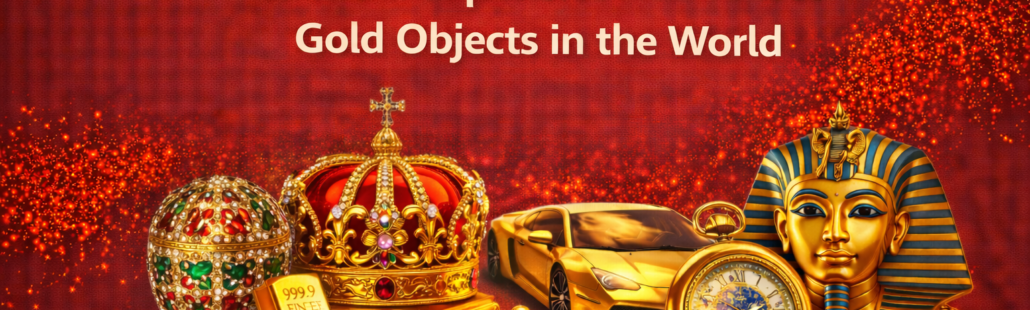
Gold has influenced wars, crowned emperors, inspired religions, and shaped global economies for over 5,000 years. While modern investors view gold as a hedge against inflation, history reveals something far greater — extraordinary gold objects whose value surpasses bullion pricing. These treasures represent cultural dominance, divine symbolism, geological rarity, and artistic mastery.
- Also Read: Live Gold Price Today
The Most Expensive and Rarest Gold Objects in the World are not simply valuable because of their weight in grams. Their worth is multiplied by age, craftsmanship, royal ownership, archaeological importance, and global recognition. Some are priceless museum artifacts. Others carry billion-dollar theoretical valuations.
- Also Read: Lowest Gold Loan Interest Rate in India
In this article, we explore 13 of the most expensive and rarest gold objects ever discovered, created, or preserved and uncover the fascinating stories behind their immense value.
Valuation Comparison Summary (Approximate Modern Estimates)
A comparative overview of the estimated present-day values of the world’s rarest and most expensive gold objects, based on historical significance, material worth, and market influence.
| Object | Estimated Modern Worth |
| The Golden Fleece | $100M+ (symbolic, heritage-based) |
| Hand of Faith Nugget | $1.5M–$2.5M |
| Great Orme Torc | $5M–$10M |
| Cullinan Diamond Sceptre | $400M–$500M+ |
| Ark of the Covenant | Priceless |
| Goldsmith’s Egg | $30M–$100M |
| Mask of Tutankhamun | $60M–$100M+ |
| Golden Buddha | $300M+ bullion value |
| Throne of Tutankhamun | $50M–$80M |
| Crown of Saint Stephen | $30M–$70M |
| Pectoral of Tutankhamun | $20M–$50M |
| Peacock Throne | $500M–$1B+ (theoretical) |
| Golden Rhinoceros | $10M–$30M |
Top 13 Most Expensive and Rarest Gold Objects in the World
Let’s explore the top 13 most expensive and rarest gold objects in the world, ranked by historical significance, rarity, and estimated modern value.
The Golden Fleece
The Golden Fleece is both myth and history intertwined. Associated with the legend of Jason and the Argonauts, it became a real insignia for the Order of the Golden Fleece, established in 1430 by Philip the Good of Burgundy. It symbolised power, purity, and noble loyalty in medieval Europe.
Although not solid gold throughout, its gold components and historical prestige make it one of the Most Expensive and Rarest Gold Objects in the World. Its rarity stems from limited issuance and deep royal connections spanning centuries.
Why It Is Valuable:
- Historical prestige: Linked to medieval European nobility and royal courts.
- Royal association: Worn by elite knights as a symbol of honour.
- Craftsmanship: Features detailed goldwork and ornate chain links.
- Scarcity: Only a limited number ever made.
- Symbolic heritage: Represents chivalry, power, and loyalty.
💰Estimated Worth: Priceless due to rarity and historical significance (>$100 million+ if benchmarked against similar royal artifacts)
The Hand of Faith Nugget
The Hand of Faith Nugget is the largest intact gold nugget ever found. Discovered in 1980 in Victoria, Australia, it weighs approximately 875 troy ounces (27.2 kg). Unlike refined gold bars, this nugget preserves nature’s own artistry.
Displayed at the Golden Nugget Casino in Las Vegas, it captivates visitors worldwide. Because of its size, purity, and geological rarity, it stands among the Most Expensive and Rarest Gold Objects in the World.
Why It Is Valuable:
- Massive natural size: Largest known gold nugget still intact.
- Geological rarity: Such formations are extremely rare.
- High purity: Contains 87–92% pure natural gold.
- Public attraction: Draws visitors worldwide.
- Unique shape: Comparable to fine art in natural form.
💰Estimated Worth: ~$1.5–$2.5 million+ (based on gold price + rarity premium)
The Great Orme Bronze Age Torc
Discovered in Wales in 1899, the Great Orme Bronze Age Torc dates back nearly 3,000 years. This Celtic necklace is crafted from thick twisted gold bands — a symbol of wealth and status in ancient societies.
Its exceptional antiquity, craftsmanship, and cultural significance make it a standout among the Most Expensive and Rarest Gold Objects in the World, preserved today at the National Museum of Wales.
Why It Is Valuable:
- Ancient heritage: More than three millennia old.
- Solid gold build: Crafted entirely from high-purity ancient gold.
- Cultural representation: Symbolised Celtic societal hierarchy.
- Archaeological importance: Rare surviving artifact.
- Exquisite design: Demonstrates early metalworking mastery.
💰Estimated Worth: $5–$10 million+ depending on archaeological valuation
The Cullinan Diamond in the Sovereign’s Sceptre
The Cullinan Diamond is the largest gem-quality diamond ever discovered, found in South Africa in 1905. The largest cut stone — Cullinan I — weighs 530.20 carats and is set in the Sovereign’s Sceptre, part of the British Crown Jewels.
The sceptre’s gold detailing, combined with this extraordinary diamond, places it among the Most Expensive and Rarest Gold Objects in the World. Its royal use and ceremonial legacy amplify its value.
Why It Is Valuable:
- Largest cut diamond: 530.20 carats.
- Royal coronation use: Central to British monarchy ceremonies.
- Gold and gemstone art: Integrates regal gold work with diamond brilliance.
- Historical continuity: Passed down through generations.
- Global prestige: One of the world’s most recognised treasures.
💰Estimated Worth: Equivalent value > $400 million+ (diamond + gold + heritage valuation)
The Ark of the Covenant
The Ark of the Covenant stands at the intersection of religion, myth, and gold legend. Described in biblical texts as a wooden chest overlaid with gold, it housed the stone tablets of the Ten Commandments. Its existence is debated, yet its symbolic significance remains monumental.
Whether historically real or mythic, it is widely regarded among the Most Expensive and Rarest Gold Objects in the World, representing divine association and sacred power.
Why It Is Valuable:
- Spiritual symbolism: Central artifact in biblical lore.
- Gold overlay description: Described as fully covered in gold.
- Mystery legacy: Location remains unknown.
- Cultural reverence: Revered across religions.
- Inspirational record: Influenced art, literature, and belief systems.
💰Estimated Worth: Priceless (cultural/religious impact outweighs market valuation)
The Goldsmith’s Egg
Created by renowned jeweller Peter Carl Fabergé in 1900, the Goldsmith’s Egg is part of the Imperial Easter Eggs collection commissioned by the Russian Imperial family. Its gold shell is elaborately decorated with enamel and gemstones, and inside lies a miniature goldsmith workshop.
This exquisite object is among the Most Expensive and Rarest Gold Objects in the World because of its imperial heritage and unparalleled craftsmanship.
Why It Is Valuable:
- Imperial commission: Designed for Russian royalty.
- Jewellery artistry: Combines gold, enamel, and gems.
- Miniature surprise: Features hidden gold workshop inside.
- Limited number: Few Fabergé eggs exist globally.
- Museum-preserved: Housed in prestigious collections.
💰Estimated Worth: $30–$100 million+ (based on auction comparables and rarity)
The Mask of Tutankhamun
The funerary mask of Pharaoh Tutankhamun is instantly recognisable worldwide. Made from over 11 kilograms of solid gold and decorated with gemstones, it was designed to protect the young king in the afterlife.
Its artistic detail, ancient provenance, and royal context make it not only one of Egypt’s greatest treasures but also one of the Most Expensive and Rarest Gold Objects in the World.
Why It Is Valuable:
- Massive gold quantity: Over 11 kg of solid gold material.
- Ancient Egyptian art: Exceptional craftsmanship.
- Royal burial context: Central to pharaonic funerary tradition.
- Global recognition: Widely exhibited and studied.
- Preservation: Over 3,000 years of survival.
💰Estimated Worth: $60–$100 million+ (based on heritage impact and historical value)
The Golden Buddha of Thailand
Also known as Phra Phuttha Maha Suwan Patimakon, this statue is carved from more than 5 tons of solid gold. Hidden under plaster for centuries, it was rediscovered in the 20th century, surprising historians and art lovers alike.
Its size, weight, religious significance, and cultural heritage place it among the Most Expensive and Rarest Gold Objects in the World.
Why It Is Valuable:
- Massive solid gold mass: Over five tonnes of gold.
- Religious importance: Sacred Buddhist cultural symbol.
- Historical concealment: Hidden for protection from invaders.
- National emblem: Symbol of Thailand’s spiritual heritage.
- Bullion and art fusion: Combines bullion magnitude with spiritual artistry.
💰Estimated Worth: Tens of billions by bullion weight + cultural premium
The Throne of Tutankhamun
The Throne of Tutankhamun is a regal artifact found within his tomb. Built from wood and overlaid with gold, the throne is adorned with symbolic imagery depicting pharaohs and gods.
Its craftsmanship and royal context make it one of the Most Expensive and Rarest Gold Objects in the World, representing ancient Egyptian authority and artistic mastery.
Why It Is Valuable:
- Gold overlay artistry: Extensive gold sheets covering the throne.
- Ancient origination: Discovered within King Tut’s tomb.
- Symbolism: Depicts pharaonic leadership and mythology.
- Acute preservation: Still intact after millennia.
- Historical legacy: Offers insight into Egyptian culture.
💰Estimated Worth: $50–$80 million+ (cultural and archaeological value)
The Crown of Saint Stephen of Hungary
The Crown of Saint Stephen has crowned Hungarian monarchs for centuries. Crafted from gold and embellished with gemstones, it is a symbol of national sovereignty and royal authority.
As one of the Most Expensive and Rarest Gold Objects in the World, its value is measured in heritage, national identity, and historical prestige.
Why It Is Valuable:
- Royal regalia: Used for coronations.
- Gemstone embellishment: Embedded with rare jewels.
- National symbolism: Represents Hungarian independence.
- Historical continuity: Worn by generations of monarchs.
- Exquisite goldwork: Fine detail and craftsmanship.
💰Estimated Worth: $30–$70 million+ (heritage and preservation premium)
The Pectoral of Tutankhamun
This ancient chest ornament was discovered within King Tut’s burial treasures. Crafted from gold, gemstones, and symbolic motifs, the pectoral held spiritual significance for protection and divine blessings.
Its rarity and symbolism make it one of the Most Expensive and Rarest Gold Objects in the World, capturing ancient religious art and craftsmanship.
Why It Is Valuable:
- Gold and gemstone fusion: Richly adorned with colored stones.
- Symbolic imagery: Depicts divine and protective motifs.
- Royal burial context: Found with Tutankhamun’s burial collection.
- Ancient craftsmanship: Demonstrates high metalworking skills.
- Cultural heritage: Part of Egypt’s royal legacy.
💰Estimated Worth: $20–$50 million+
The Peacock Throne
Commissioned by Mughal Emperor Shah Jahan in the 17th century, the Peacock Throne was covered in gold and gemstones, reflecting extraordinary luxury and authority. Although it was dismantled or lost after historical invasions, its legacy remains legendary.
Because of its opulence and historical myth, it is considered one of the Most Expensive and Rarest Gold Objects in the World in concept and valuation.
Why It Is Valuable:
- Gold and gem encrustation: Covered with rare jewels and gold.
- Imperial symbolism: Represented Mughal imperial power.
- Historical opulence: Associated with Shah Jahan’s royal splendour.
- Cultural impact: Inspired countless literary and artistic depictions.
- Legendary rarity: Its dispersal increased mythical value.
💰Estimated Worth: Valuation difficult due to dispersal; likely $500 million+ hypothetical
The Golden Rhinoceros of Mapungubwe
Discovered in South Africa, this small gold rhino dates to the 13th century and was made by hammering gold sheet over a wooden core. It symbolised royal authority in the Mapungubwe kingdom and is one of Africa’s most significant gold heritage objects.
Its rarity and cultural importance make it part of the Most Expensive and Rarest Gold Objects in the World.
Why It Is Valuable:
- Ancient African artifact: Dates back to early African kingdoms.
- Unique craftsmanship: Gold sheet over wood technique.
- Symbolic meaning: Elephant represented power and prosperity.
- Archaeological rarity: Few comparable gold artifacts exist.
- Cultural heritage: National treasure of South African history.
💰Estimated Worth: $10–$30 million+ (archaeological & cultural value)
Final Thoughts
These top 13 Most Expensive and Rarest Gold Objects in the World demonstrate that gold is more than a commodity — it is a vessel of human history, belief, artistry, and power. Whether through natural formation, royal legacy, or spiritual reverence, these objects transcend gold weight, earning value that often surpasses monetary measures.
If you own valuable gold jewellery, coins, or heirlooms and want to understand their market worth before selling, always consult trusted professionals to ensure fair, transparent pricing based on purity, market rates, and historical context.
Sell Your Gold for the Best Price with Attica Gold Company
If you are planning to sell gold jewellery, coins, biscuits, or old ornaments, choosing the right gold buyer makes all the difference. Getting accurate purity testing, transparent pricing, and instant payment ensures you receive maximum value for your gold.
Attica Gold Company, India’s most trusted gold buyer, offers professional gold evaluation using advanced testing machines and live gold market rates, ensuring you get the best possible payout without hidden deductions.
What is the most expensive gold in the world?
The most expensive gold in the world is typically not raw bullion but historically significant artifacts that combine gold with rarity, heritage, and symbolism. Objects like the Cullinan Diamond sceptre or the Peacock Throne exceed bullion value due to cultural importance. Their worth is calculated not only by weight but by history, craftsmanship, and global recognition, making them virtually priceless compared to ordinary gold bars.
Are ancient gold objects more valuable than modern gold?
Yes, ancient gold objects often carry higher value than modern bullion because they combine historical significance, rarity, craftsmanship, and cultural impact. While bullion is priced by weight and purity, ancient artifacts add archaeological importance and uniqueness. Their scarcity and irreplaceable nature significantly increase their valuation beyond simple gold content, making them highly sought-after by museums and collectors worldwide.
How is the value of rare gold objects calculated?
The value of rare gold objects is determined by multiple factors, including gold weight, purity, age, historical context, craftsmanship, provenance, and cultural significance. Auction history and collector demand also influence pricing. In many cases, the historical importance and rarity of the object exceed its bullion value, resulting in valuations that can reach hundreds of millions of dollars.
Why are some gold objects considered priceless?
Some gold objects are considered priceless because they represent irreplaceable cultural heritage, religious importance, or national identity. Items like the Ark of the Covenant or the Mask of Tutankhamun hold immense historical and spiritual value. Their importance cannot be measured purely in monetary terms, making them beyond standard market valuation.
Can private collectors buy rare gold artifacts?
In most cases, historically significant gold artifacts are owned by governments, museums, or royal institutions and are not available for private sale. Some high-value pieces, like Fabergé eggs, have been sold at auctions to private collectors. However, strict heritage laws often protect ancient artifacts from private ownership or export.
Does gold’s historical importance increase its investment value?
Yes, historical importance significantly increases an object’s investment value. Gold artifacts tied to royalty, religion, or major civilizations often appreciate due to rarity and collector demand. While bullion follows market fluctuations, historically significant gold objects tend to maintain long-term prestige and premium value due to their uniqueness and limited availability.